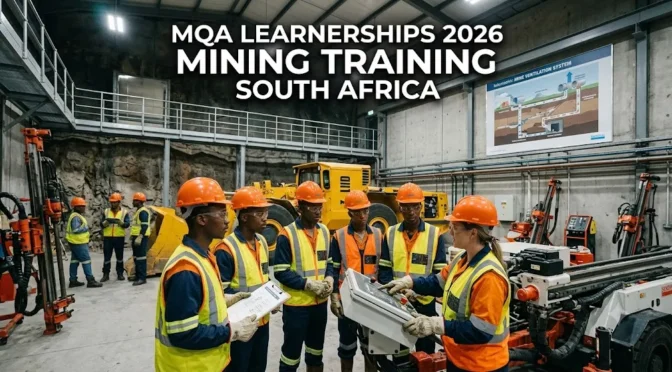
MQA Learnerships 2026: R3,500+ Monthly Stipend Opportunities in Mining Sector Revealed

The Mining Qualifications Authority (MQA) is a Sector Education and Training Authority responsible for developing skills in South Africa’s mining and minerals sector.

For 2026, MQA continues to offer learnerships, apprenticeships, and bursaries aimed at unemployed youth and employed workers who want to build careers in mining, engineering, safety, and technical fields.

These programmes combine theoretical learning + workplace training, helping learners gain nationally recognised qualifications while preparing for real jobs in one of South Africa’s strongest industries.

Types of MQA Learnerships (2026)

1. Non-Artisan Learnerships

Designed for unemployed youth entering mining for the first time.

Fields include:

  • Mining Operations
  • Mineral Processing
  • Laboratory Practice
  • Occupational Health & Safety
  • Chemical Operations
  • Strata Control
  • Mining Technical Support

✔ Leads to NQF-aligned qualifications
✔ Combines classroom + workplace training

2. Artisan Learnerships (Apprenticeships)

These are highly practical technical training programmes.

Popular trades:

  • Electrician
  • Fitter and Turner
  • Boilermaker
  • Diesel Mechanic
  • Millwright
  • Instrumentation Technician
  • Earthmoving Equipment Mechanic
  • Welder

✔ Leads to trade test certification
✔ High employability in mining sector

3. MQA Bursaries (2026)

MQA funds students studying at:

  • Universities
  • TVET Colleges
  • Universities of Technology

What the bursary covers:

  • Tuition fees
  • Registration fees
  • Accommodation
  • Books & learning materials
  • Meals (in some cases)

Who Can Apply for MQA Learnerships 2026?

Applicants must typically have:

  • South African citizenship
  • Grade 10 / Grade 12 (depending on programme)
  • Age between 18–35 years
  • Interest in mining or technical fields
  • Willingness to complete workplace training

✔ Unemployed youth (learnerships)
✔ Employed workers (apprenticeships)

Where MQA Opportunities Are Available

MQA programmes are linked to mining companies across South Africa, especially:

  • Limpopo
  • North West
  • Mpumalanga
  • Gauteng
  • Free State
  • Northern Cape

These provinces are major mining hubs with high demand for skilled workers.

Stipend / Salary Details (2026)

  • Monthly stipend varies by employer and programme
  • Artisan learnerships usually pay higher stipends due to technical training
  • Some programmes may include transport or accommodation support

⚠️ Exact stipend amounts depend on the hosting mining company.

Benefits of MQA Learnerships 2026

Successful applicants receive:

  • Monthly stipend (varies)
  • Workplace experience in real mining environments
  • Nationally recognised qualification
  • Technical and safety training
  • Career development opportunities
  • Exposure to major mining companies

Required Documents Checklist

Applicants usually need:

  • Certified South African ID copy
  • Certified Matric or Grade 10 certificate
  • Updated CV
  • Proof of residence
  • Academic transcripts (if required)

Step-by-Step Application Process

  1. Visit the official MQA or partner mining company portal
  2. Search for “Learnerships 2026”
  3. Select suitable programme (artisan or non-artisan)
  4. Complete online application form
  5. Upload certified documents
  6. Submit application before closing date
  7. Wait for shortlist and interview invitation

Closing Date

⚠️ Closing dates vary per programme and employer.
Always check individual listings as MQA opportunities open throughout the year.

Related Opportunity

Youthscope

  1. Internships
  2. Bursaries
  3. Learnerships
  4. SETAs
  5. General Worker Jobs
  6. Guides
  7. Apprenticeships
  8. Students News
  9. Scholarships
  10. Fellowship

Career Pathways After MQA Learnerships

After completing an MQA programme, learners can work as:

  • Mining Technician
  • Safety Officer
  • Electrician
  • Boilermaker
  • Fitter
  • Plant Operator
  • Laboratory Assistant
  • Mining Supervisor
  • Engineering Assistant

These roles are in high demand in South Africa’s mining industry.

Why MQA Learnerships Matter

MQA programmes help to:

  • Reduce youth unemployment
  • Develop scarce technical skills
  • Improve mining safety standards
  • Support economic growth
  • Create structured career pathways

They remain one of the most trusted SETA-funded opportunities in South Africa.

Expert Guidance (E-E-A-T – Mbalizuke Nkosi)

According to Mbalizuke Nkosi, a career development specialist in youth skills training:

“MQA learnerships are not just training programmes—they are long-term career entry points into one of South Africa’s most stable industries. Applicants should prioritise accuracy in documentation and apply early, as competition is high.”

He further advises that applicants should:

  • Apply to multiple programmes
  • Keep CVs updated and professional
  • Prepare for basic aptitude assessments
  • Follow up on mining company career portals

Disclaimer

This article is for informational purposes only. MQA learnerships, stipends, and requirements may change depending on the employer and funding availability. Applicants should always verify details with official Mining Qualifications Authority channels or partnering companies before applying.

GCC Skills Development Learnership 2026 Pays R4,300 Monthly Stipend – Apply Now

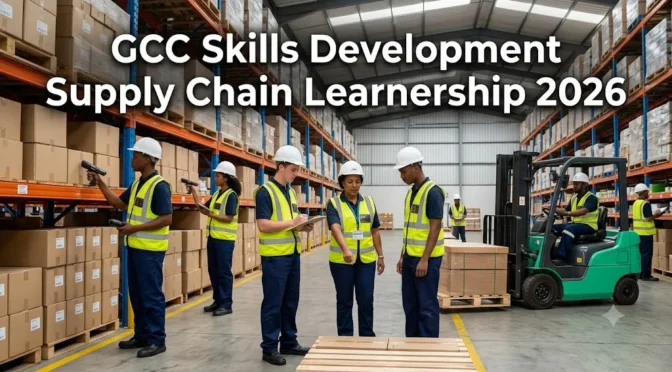
GCC Skills Development Supply Chain Learnership 2026

Young South Africans seeking practical workplace experience and a pathway into the logistics industry can now apply for the GCC Skills Development (GCC-SD) Supply Chain Learnership 2026.

This exciting opportunity is aimed at unemployed youth aged 18 to 28 years and offers a monthly stipend of R4,300 while learners complete accredited training and gain hands-on workplace experience in Durban South, KwaZulu-Natal.

Scheduled to begin in July 2026, this learnership equips participants with valuable skills in supply chain management, logistics, warehousing, procurement, and business administration, improving their chances of securing long-term employment.

Opportunity Overview

OpportunityGCC Skills Development Supply Chain Learnership 2026
OrganisationGCC Skills Development (GCC-SD)
ProgrammeSupply Chain Learnership
IndustrySupply Chain, Logistics & Warehousing
LocationDurban South, KwaZulu-Natal
Monthly StipendR4,300
Start DateJuly 2026
QualificationSupply Chain Learnership
Age Requirement18–28 years
Minimum QualificationCertified Grade 12 (Matric)
Attendance5 Days Per Week
Application MethodEmail
Application Emailplacements@gcc-sd.com

Opportunity Overview

GCC Skills Development is dedicated to empowering unemployed South African youth through accredited learnerships that combine classroom-based learning with practical workplace experience.

This Supply Chain Learnership provides learners with real-world exposure to the daily operations of logistics and supply chain environments, helping them build the knowledge and practical skills employers are looking for.

Learners will gain experience in:

  • Warehouse Operations
  • Stock Control
  • Inventory Management
  • Procurement
  • Logistics
  • Receiving and Dispatching Goods
  • Supply Chain Administration
  • Workplace Communication
  • Business Procedures
  • Occupational Health and Safety

Related Opportunity

African Resonance Software Testing Learnership 2026: Monthly Stipend, Transport Allowance & No Experience Required

Eligibility Requirements

Applicants must:

  • Be between 18 and 28 years old
  • Have a Certified Grade 12 (Matric) Certificate
  • Be able to attend training in Durban South
  • Be available five days per week
  • Be willing to complete the full learnership programme

The opportunity is open to:

  • Male and female applicants
  • All race groups

Stipend and Benefits

Successful learners will receive:

  • Monthly stipend of R4,300
  • Accredited workplace training
  • Practical workplace experience
  • Exposure to the supply chain and logistics industry
  • Nationally recognised skills development

The monthly stipend can help cover:

  • Transport costs
  • Meals
  • Daily living expenses
  • Communication costs

Required Documents Checklist

Applicants should prepare:

  • Updated CV
  • Certified copy of South African ID
  • Certified copy of Grade 12 (Matric) Certificate
  • Bank Confirmation Letter
  • Tax Clearance Certificate

Before submitting your application:

  • Ensure all documents are certified where required.
  • Save documents in a clear and readable format.
  • Double-check your contact details.
  • Keep copies of everything submitted.

Step-by-Step Application Process

  1. Prepare your updated CV.
  2. Gather all required certified documents.
  3. Write a professional email with a clear subject line.
  4. Attach all required documents.
  5. Email your application to placements@gcc-sd.com.
  6. Submit your application before recruitment closes.

Programme Start Date

Expected Start Date: July 2026

Applicants are encouraged to apply as early as possible because opportunities with a monthly stipend often receive a high number of applications.

Career Pathways After Completion

Completing this learnership can prepare you for careers such as:

  • Supply Chain Administrator
  • Logistics Coordinator
  • Warehouse Assistant
  • Warehouse Supervisor
  • Procurement Clerk
  • Inventory Controller
  • Dispatch Clerk
  • Receiving Clerk
  • Distribution Assistant
  • Operations Administrator

Related Opportunity

Youthscope

  1. Internships
  2. Bursaries
  3. Learnerships
  4. SETAs
  5. General Worker Jobs
  6. Guides
  7. Apprenticeships
  8. Students News
  9. Scholarships
  10. Fellowship

Frequently Asked Questions (FAQs)

Where is the learnership based?

The programme takes place in Durban South, KwaZulu-Natal.

How much is the monthly stipend?

Successful learners will receive R4,300 per month.

Who can apply?

Applicants aged 18 to 28 years who meet the minimum requirements.

Is Matric required?

Yes. A certified Grade 12 (Matric) Certificate is required.

Can males and females apply?

Yes. The programme is open to both male and female applicants.

Are all race groups eligible?

Yes. Applicants from all race groups are welcome.

When does the programme begin?

The learnership is expected to start in July 2026.

How do I apply?

Submit your application by emailing all required documents to placements@gcc-sd.com.

Which documents are required?

Applicants need:

  • Updated CV
  • Certified ID
  • Certified Matric Certificate
  • Bank Confirmation Letter
  • Tax Clearance Certificate

Expert Guidance (E-E-A-T – Mbalizuke Nkosi)

According to career development expert Mbalizuke Nkosi, supply chain and logistics remain among South Africa’s fastest-growing employment sectors, making accredited learnerships an excellent entry point for young job seekers. Applicants should ensure that every required document is certified, use a professional email address, and submit a complete application well before the programme starts. Consistent attendance, punctuality, and a positive attitude during the learnership can significantly improve future employment prospects.

Disclaimer

This article is published for informational purposes only to assist South African job seekers in discovering training and employment opportunities. We are not affiliated with GCC Skills Development (GCC-SD) and do not process applications on its behalf. Programme details, stipend amounts, start dates, eligibility requirements, and recruitment processes may change without notice. Applicants should verify the latest information using the official contact details provided by GCC-SD before applying.

African Resonance Software Testing Learnership 2026: Monthly Stipend, Transport Allowance & No Experience Required

African Resonance Software Testing Learnership 2026

If you’re passionate about technology and want to start a career in software testing without previous work experience, the African Resonance Software Testing Learnership 2026 offers an excellent opportunity to gain practical skills while earning a monthly stipend.

This nationally recognised learnership combines classroom training with hands-on workplace experience in South Africa’s fast-growing fintech and payments industry. Participants will learn software testing fundamentals, quality assurance practices, and workplace skills that are highly valued across the IT sector.

Applications close on 30 June 2026, so interested candidates should prepare and submit their applications as soon as possible.

Opportunity Overview

OpportunityAfrican Resonance Software Testing Learnership 2026
OrganisationAfrican Resonance
ProgrammeSoftware Testing Learnership
IndustryFintech & Payments
LocationSouth Africa
QualificationNationally Recognised Learnership
Minimum QualificationGrade 12 (Matric) with Mathematics & Physical Science
ExperienceNo experience required
StipendMonthly stipend
Additional BenefitsTransport allowance, free daily meals, mentorship & workplace experience
Closing Date30 June 2026
Application Emailhr@africanresonance.com

Opportunity Overview

African Resonance is developing South Africa’s next generation of software testing professionals through a structured learnership programme that blends formal training with practical industry exposure.

Learners will receive coaching from experienced professionals while gaining real-world experience in software quality assurance, testing methodologies, and fintech systems. The programme is ideal for young people who enjoy technology, problem-solving, and analytical thinking.

What You Will Learn

Successful learners will gain practical knowledge in:

  • Software Testing Fundamentals
  • Quality Assurance Principles
  • Test Planning and Test Case Design
  • Manual Software Testing
  • Defect Identification and Reporting
  • Software Development Life Cycle (SDLC)
  • Agile Testing Methodologies
  • Test Documentation
  • Introduction to Automation Testing
  • Test Management Tools (Jira and TestRail)
  • Workplace Readiness and Professional Skills

These skills provide a solid foundation for careers in software development, quality assurance, and information technology.

Related Opportunity

MSC Learnership Programme 2026: 36-Month Paid Logistics Learnership with Monthly Stipend

Eligibility Requirements

Applicants should meet the following minimum requirements:

  • South African citizen
  • Grade 12 (Matric)
  • Mathematics passed
  • Physical Science passed
  • Computer literate
  • Currently unemployed
  • Available for the full learnership duration
  • Strong attention to detail
  • Good analytical and problem-solving skills
  • Able to work independently and in a team
  • Positive attitude and willingness to learn

Added Advantage

Although not compulsory, the following may strengthen your application:

  • Computer Applications Technology (CAT)
  • Information Technology studies
  • Computer Science
  • Software Development
  • Software Testing
  • Related IT qualifications

Stipend and Benefits

Successful learners will receive:

  • Monthly stipend
  • Transport allowance
  • Free daily meals
  • Nationally recognised learnership qualification
  • Practical workplace experience
  • Mentorship from experienced professionals
  • Workplace coaching
  • Exposure to software testing tools
  • Professional development opportunities

Note: The exact monthly stipend amount has not been disclosed.

Required Documents Checklist

Prepare the following documents before applying:

  • Updated CV
  • Motivation letter
  • Certified copy of South African ID
  • Certified copy of Matric Certificate
  • Copies of IT qualifications (if applicable)

Before submitting your application:

  • Update your CV.
  • Personalise your motivation letter.
  • Check grammar and spelling.
  • Ensure all required documents are certified.
  • Verify your contact details.

Step-by-Step Application Process

  1. Update your CV.
  2. Write a motivation letter explaining your interest in software testing.
  3. Attach your certified supporting documents.
  4. Email your application to hr@africanresonance.com.
  5. Submit your application before 30 June 2026.

Closing Date

Closing Date: 30 June 2026

Late applications may not be considered, so candidates are encouraged to apply as early as possible.

Career Pathways After Completion

Completing this learnership can open doors to careers such as:

  • Software Tester
  • Quality Assurance Tester
  • Junior QA Analyst
  • Software Quality Analyst
  • Test Analyst
  • Automation Testing Trainee
  • Business Systems Tester
  • Application Support Analyst
  • IT Support Specialist
  • Software Development Trainee

Related Opportunity

Youthscope

  1. Internships
  2. Bursaries
  3. Learnerships
  4. SETAs
  5. General Worker Jobs
  6. Guides
  7. Apprenticeships
  8. Students News
  9. Scholarships
  10. Fellowship

Frequently Asked Questions (FAQs)

Do I need previous work experience?

No. Previous work experience is not required.

Is Matric compulsory?

Yes. Applicants must have Grade 12 (Matric).

Which school subjects are required?

Applicants must have passed:

  • Mathematics
  • Physical Science

Is Computer Applications Technology (CAT) required?

No. However, CAT is considered an added advantage.

Will applicants with IT qualifications receive preference?

IT-related qualifications or studies may strengthen your application but are not compulsory.

Is there a monthly stipend?

Yes. Successful learners receive a monthly stipend.

Are meals provided?

Yes. Free daily meals are included.

Is transport assistance available?

Yes. A transport allowance is provided.

When do applications close?

Applications close on 30 June 2026.

Expert Guidance (E-E-A-T – Mbalizuke Nkosi)

According to career development expert Mbalizuke Nkosi, software testing is one of the best entry points into the technology industry because it develops technical knowledge, analytical thinking, and problem-solving skills that are valued across many IT careers. Applicants should prepare a professional CV, write a personalised motivation letter that highlights their passion for technology, and ensure all required documents are certified before applying. Applying early can improve your chances of being considered before the closing date.

Disclaimer

This article is published for informational purposes only to help South African job seekers discover learnership opportunities. We are not affiliated with African Resonance and do not process applications on behalf of the organisation. Programme details, benefits, eligibility requirements, stipend amounts, and closing dates may change without notice. Applicants should verify all information and submit their applications using the official contact details provided by African Resonance.

MSC Learnership Programme 2026: 36-Month Paid Logistics Learnership with Monthly Stipend

MSC Learnership Programme 2026

If you’re a young South African looking to launch a career in logistics, shipping, freight forwarding, or international trade, the Mediterranean Shipping Company (MSC) Learnership Programme 2026 offers an outstanding opportunity.

This fully funded 36-month learnership combines nationally recognised qualifications, practical workplace experience, and a monthly stipend, helping learners develop the skills needed to succeed in South Africa’s growing logistics and maritime industries.

Whether you’re a recent Matric graduate or eager to start a professional career in international trade, this programme provides a structured pathway into one of the world’s largest shipping companies.


Opportunity Overview

ProgrammeMSC Learnership Programme 2026
CompanyMediterranean Shipping Company (MSC)
IndustryMaritime, Shipping & Logistics
Duration36 Months (3 Phases)
QualificationNationally Recognised Qualifications
LocationsDurban, Pretoria, Johannesburg & Gqeberha (Port Elizabeth)
Minimum QualificationGrade 12 (Matric) with Mathematics and a minimum C aggregate
Age RequirementUnder 25 years
StipendMonthly stipend (Amount not specified)
BonusAnnual performance bonus
Study CostsFully funded

Opportunity Overview

The MSC Learnership Programme is designed to develop South Africa’s future logistics professionals through structured workplace learning and accredited training.

Over three years, learners progressively build expertise in international trade, freight forwarding, customs compliance, shipping administration, and maritime logistics while gaining valuable practical experience within MSC’s operations.

Participants graduate with multiple nationally recognised qualifications that significantly improve employability in South Africa and internationally.


Programme Structure

Phase 1 (12 Months)

National Certificate in International Trade

Learners gain knowledge in:

  • International commerce
  • Import and export procedures
  • Trade documentation
  • Global markets
  • Commercial practices

Phase 2 (12 Months)

National Certificate in Freight Forwarding & Customs Compliance

Training includes:

  • Freight forwarding
  • Customs legislation
  • Import & export documentation
  • Cargo movement
  • Customs compliance
  • Border procedures

Phase 3 (12 Months)

Further Education and Training Certificate in Shipping

Learners develop skills in:

  • Shipping operations
  • Maritime logistics
  • Port procedures
  • Vessel documentation
  • Cargo management
  • Shipping administration

Eligibility Requirements

Applicants must meet the following requirements:

  • South African citizen
  • Under 25 years old
  • Grade 12 (Matric)
  • Minimum C aggregate
  • Mathematics as a subject
  • Computer literacy
  • Good communication skills
  • Willingness to learn
  • Reliable and responsible
  • Methodical work approach

Preference will be given to candidates from designated groups.

Related Opportunity

Stipend and Benefits

Successful learners will receive:

  • Monthly stipend
  • Fully funded tuition
  • Practical workplace training
  • Annual performance bonus (subject to attendance, assessments, conduct, and overall performance)
  • Nationally recognised qualifications

Note: MSC has not disclosed the exact monthly stipend amount.

Required Documents Checklist

Prepare the following documents before applying:

  • Updated CV
  • Certified South African ID copy
  • Certified Matric Certificate
  • Mathematics results
  • Academic transcripts (if applicable)
  • Additional qualification certificates (if applicable)

Before applying:

  • Ensure your CV is up to date.
  • Verify all contact details.
  • Highlight computer literacy and relevant achievements.
  • Apply only for the region where you are willing to complete the full programme.

Step-by-Step Application Process

  1. Prepare an updated CV.
  2. Gather certified supporting documents.
  3. Choose your preferred learnership location.
  4. Complete the online application through the official MSC careers portal.
  5. Upload all required documents.
  6. Submit your application before the closing date.

Available Locations

Applications are open for:

  • Durban
  • Pretoria
  • Johannesburg
  • Gqeberha (Port Elizabeth)

Important: Learners must remain in their selected region for the entire 36-month programme. Transfers are not permitted.

Closing Date

Closing Date: Not specified.

Candidates are encouraged to apply as early as possible because competition for MSC learnerships is expected to be high.

Career Pathways After Completion

Graduates may pursue careers as:

  • Freight Forwarding Officer
  • Shipping Administrator
  • Customs Compliance Officer
  • Import & Export Coordinator
  • Logistics Coordinator
  • Supply Chain Administrator
  • Cargo Controller
  • Warehouse Coordinator
  • Shipping Operations Officer
  • International Trade Administrator

Related Opportunity

Youthscope

  1. Internships
  2. Bursaries
  3. Learnerships
  4. SETAs
  5. General Worker Jobs
  6. Guides
  7. Apprenticeships
  8. Students News
  9. Scholarships
  10. Fellowship

Frequently Asked Questions

Who can apply?

South African youth under the age of 25 who meet the minimum academic requirements.

Is the programme paid?

Yes. Successful learners receive a monthly stipend and may qualify for an annual performance bonus.

How long is the learnership?

The programme runs for 36 months across three learning phases.

Will I receive recognised qualifications?

Yes. Learners receive nationally recognised qualifications after successfully completing each phase.

Can I transfer to another city?

No. Learners must complete the programme in the region where they are initially placed.

Does MSC pay for the studies?

Yes. Tuition costs are fully funded by MSC.

Expert Guidance (E-E-A-T – Mbalizuke Nkosi)

According to career development expert Mbalizuke Nkosi, the MSC Learnership Programme stands out because it combines accredited qualifications, workplace experience, and financial support over three years. Applicants should ensure their CV is professional, their Matric results—particularly Mathematics—are clearly presented, and all supporting documents are certified. Applying early and selecting the correct location are essential, as transfers are not permitted after placement.

Disclaimer

This article is published for informational purposes only to assist South African job seekers in finding employment and training opportunities. We are not affiliated with Mediterranean Shipping Company (MSC) and do not process applications on its behalf. Programme details, eligibility requirements, stipend amounts, locations, and closing dates may change without notice. Applicants should always confirm the latest information through the official MSC careers website before submitting an application.

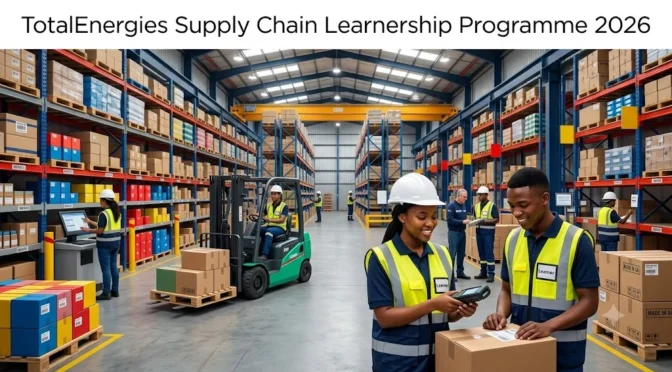
TotalEnergies Supply Chain Learnership Programme 2026 (12 Months) – Apply Now for Matric Graduates in Gauteng

TotalEnergies Supply Chain Learnership Programme 2026

Young South Africans looking to start a career in logistics, operations or supply chain management now have an exciting opportunity through the TotalEnergies Supply Chain Learnership Programme 2026.

The programme offers successful applicants the opportunity to gain valuable workplace experience while receiving structured on-the-job training at TotalEnergies’ operations in Alrode, Alberton, Gauteng.

If you have a Grade 12 (Matric) certificate and are eager to build practical workplace skills, this 12-month learnership could become the first step towards a rewarding career in one of South Africa’s fastest-growing industries.

Opportunity Overview

ProgrammeTotalEnergies Supply Chain Learnership Programme 2026
CompanyTotalEnergies
LocationAlrode, Alberton, Gauteng
Duration12 Months
IndustrySupply Chain & Operations
ContractLearnership
QualificationGrade 12 (Matric)
ExperienceNone Required
Application StatusOpen
StipendNot specified

Why You Should Apply

Breaking into the job market without experience is one of the biggest challenges facing many South African youth.

The TotalEnergies Supply Chain Learnership has been designed to bridge that gap by providing structured workplace learning combined with practical operational experience.

During the programme, learners work alongside experienced professionals while learning how supply chain operations function in a global energy company.

Participants gain practical exposure in areas such as:

  • Supply Chain Management
  • Logistics
  • Warehouse Operations
  • Distribution
  • Inventory Control
  • Procurement Support
  • Transport Coordination
  • Operations Administration

This workplace exposure helps improve employability and prepares learners for future permanent employment opportunities.

Related Opportunity

Valterra Platinum Engineering Learnership Programme 2026 | Apply Before 12 July 2026

Eligibility Requirements

Applicants should meet the following minimum requirements:

  • South African citizen
  • Grade 12 (Matric)
  • Good communication skills
  • Basic computer literacy
  • Good interpersonal skills
  • Ability to work in a team
  • Willingness to learn
  • Reliable and responsible
  • Able to follow instructions
  • Good attention to detail

Added Advantage

Although not compulsory, applicants studying or holding qualifications in the following fields may have an advantage:

  • Supply Chain Management
  • Logistics
  • Operations Management
  • Transport Management
  • Business Management
  • Related qualifications

Stipend Details

Stipend: Not specified by TotalEnergies.

Applicants should note that learnership participants generally receive a monthly training allowance where applicable. The exact amount for this programme has not been published.

Programme Duration

The learnership runs for 12 months, providing structured workplace learning combined with practical operational training.

Required Documents Checklist

Prepare the following before applying:

  • Updated CV
  • Certified copy of South African ID
  • Certified Grade 12 (Matric) Certificate
  • Academic transcripts (if applicable)
  • Qualification certificates (if applicable)
  • Reference letters (optional)

Before submitting your application:

  • Check your contact details
  • Update your CV
  • Include all qualifications
  • Highlight leadership or volunteer experience
  • Proofread your application carefully

How to Apply

Interested applicants should submit their applications through the official TotalEnergies Careers website once applications are available.

Before applying:

  1. Update your CV.
  2. Prepare certified supporting documents.
  3. Ensure your contact information is correct.
  4. Complete the online application form.
  5. Upload all required documents.
  6. Submit your application before the closing date.
APPLY FOR THE TOTALENERGIES SUPPLY CHAIN LEARNERSHIP PROGRAMME HERE

Closing Date

Closing Date: Not specified.

Applicants are encouraged to submit their applications as early as possible, as large employers often receive thousands of applications.

Career Opportunities After Completion

Completing this learnership can help prepare you for careers including:

  • Supply Chain Administrator
  • Logistics Coordinator
  • Warehouse Administrator
  • Inventory Controller
  • Procurement Officer
  • Distribution Planner
  • Operations Administrator
  • Logistics Analyst
  • Supply Chain Manager

Related Opportunity

You may also explore

Youthscope

  1. Internships
  2. Bursaries
  3. Learnerships
  4. SETAs
  5. General Worker Jobs
  6. Guides
  7. Apprenticeships
  8. Students News
  9. Scholarships
  10. Fellowship

Frequently Asked Questions

Where is the learnership based?

Alrode, Alberton, Gauteng.

How long does the programme last?

12 months.

Is Matric required?

Yes. Applicants must have Grade 12.

Is previous work experience required?

No.

Will learners receive practical training?

Yes. The programme combines workplace experience with structured learning.

Can students apply?

Yes. Students studying towards relevant qualifications may apply if they meet the minimum requirements.

Expert Guidance (E-E-A-T – Mbalizuke Nkosi)

According to career development expert Mbalizuke Nkosi, learnerships offered by multinational companies such as TotalEnergies provide more than workplace experience—they help candidates develop professional behaviour, teamwork, communication, and industry-specific skills that employers value. Applicants should submit a well-structured CV, ensure all supporting documents are certified, and apply as early as possible to improve their chances of being shortlisted.

Disclaimer

This article is published for informational purposes to help South African job seekers discover career opportunities. We are not affiliated with TotalEnergies and do not recruit on behalf of the company. Recruitment processes, requirements, closing dates, stipends, and programme details may change without notice. Applicants should always verify the latest information and submit applications through the official TotalEnergies careers website.

Valterra Platinum Engineering Learnership Programme 2026 | Apply Before 12 July 2026

Valterra Platinum Engineering Learnership Programme 2026

The Valterra Platinum Engineering Learnership Programme 2026 is now open for applications, offering South African youth an opportunity to gain structured training and workplace experience in the mining and engineering support environment.

This 12-month learnership is based at the Amandelbult Complex in Thabazimbi, Limpopo, and is specifically designed to equip learners with practical skills in mining operations and engineering support roles.

Learnership Overview

ItemDetails
CompanyValterra Platinum
ProgrammeEngineering Support Development Programme
SectorMining / Engineering
Duration12 Months
LocationAmandelbult Complex, Thabazimbi, Limpopo
Employment TypeLearnership (Contract)
Closing Date12 July 2026
StipendYes (Provided, amount not specified)

About Valterra Platinum

Valterra Platinum is a leading global producer of platinum group metals. The company operates mining, processing, smelting, refining, and marketing activities across South Africa and Zimbabwe.

With a strong commitment to zero harm, sustainability, and responsible mining, Valterra Platinum focuses on safe operations while creating long-term value in the mining sector.

Available Learnership Opportunities

Successful applicants may be placed in the following roles:

  • Skip and Cage Attendant
  • Pump Attendant
  • Belt Attendant
  • Lamproom Assistant
  • Engineering Assistant

These roles provide essential support within mining operations and engineering systems.

Related Opportunity

Minimum Requirements

Applicants must have:

  • Grade 12 / Matric certificate
  • N3–N6 qualifications (advantageous)
  • South African citizenship
  • Good communication skills
  • No criminal record
  • Medically fit for mining environment

Persons with Disabilities

This programme encourages applications from Persons with Disabilities, provided they meet the minimum requirements and medical fitness standards.

What Learners Will Do

Participants will:

  • Complete structured training and assessments
  • Maintain logbooks and learning records
  • Follow strict safety, health, and environmental standards
  • Participate in workplace-based learning
  • Comply with company policies and procedures
  • Engage in continuous skills development

What You Can Expect

Successful learners will benefit from:

  • Monthly stipend
  • Practical workplace experience
  • Structured technical training
  • Mentorship and coaching
  • Exposure to mining industry operations
  • Career development opportunities

Required Documents Checklist

Applicants must prepare:

✔ Updated CV
✔ Certified South African ID copy
✔ Certified Grade 12 certificate
✔ Certified N3–N6 qualifications (if applicable)
✔ Proof of disability (if applicable)
✔ Any additional supporting documents

How to Apply

  1. Visit the official Valterra Platinum recruitment portal
  2. Complete the online application form
  3. Upload all required certified documents
  4. Double-check all information before submission
  5. Submit before 12 July 2026

Late or incomplete applications will not be considered.

Closing Date

📌 Applications close on 12 July 2026

Applicants are encouraged to apply early to avoid last-minute delays.

Career Opportunities After Completion

This learnership can lead to careers such as:

  • Mining Technician
  • Engineering Assistant
  • Plant Operator
  • Maintenance Assistant
  • Mining Support Specialist
  • Mechanical Engineering Support Roles

With experience and further study, learners can progress into:

  • Mining Engineering
  • Mechanical Engineering
  • Electrical Engineering
  • Industrial Maintenance
  • Safety and Risk Management

Related Opportunity

You may also explore

Youthscope

  1. Internships
  2. Bursaries
  3. Learnerships
  4. SETAs
  5. General Worker Jobs
  6. Guides
  7. Apprenticeships
  8. Students News
  9. Scholarships
  10. Fellowship

Frequently Asked Questions

Is this a permanent job?

No. This is a 12-month learnership programme.

Is there a stipend?

Yes, learners will receive a stipend, although the exact amount is not specified.

Who can apply?

South African youth with Matric and interest in engineering or mining support.

Can persons with disabilities apply?

Yes, this programme encourages applications from persons with disabilities.

Where is the programme located?

Amandelbult Complex, Thabazimbi, Limpopo.

When is the closing date?

12 July 2026.

Expert Guidance (E-E-A-T – Mbalizuke Nkosi)

From a skills development perspective, mining learnerships like this one are highly competitive due to their combination of stipend support and workplace experience. Applicants should ensure their CV clearly highlights safety awareness, technical interest, and any NATED qualifications.

It is also important to apply early, as mining sector programmes often receive large volumes of applications before the closing date.

Disclaimer

This article is for informational purposes only. Applicants must always confirm details, requirements, and deadlines through the official Valterra Platinum recruitment platform. We are not affiliated with the company or its recruitment process.

Dynamic DNA & MICT SETA Information Technology Systems Support NQF Level 5 Programme 2026 | Apply Before 3 July 2026

Dynamic DNA & MICT SETA Information Technology Systems Support NQF Level 5 Programme 2026

If you’ve completed a three-year Information Technology qualification with Networking as your major but haven’t secured industry experience yet, the Dynamic DNA & MICT SETA Information Technology: Systems Support NQF Level 5 Programme could be your next career opportunity.

This skills development programme is designed to equip unemployed South African graduates with practical ICT support skills that employers value, helping bridge the gap between academic learning and workplace readiness.

Opportunity Overview

ItemDetails
ProgrammeInformation Technology: Systems Support NQF Level 5
PartnerDynamic DNA & MICT SETA
Qualification LevelNQF Level 5
IndustryInformation Technology
Employment StatusUnemployed Applicants Only
CitizenshipSouth African Citizen
Age RequirementUnder 30 years
Qualification3-Year IT Qualification (Networking Major)
LocationMust live close to Randburg
Closing Date3 July 2026
StipendNot specified in the advertisement

Eligibility Requirements

Applicants must:

  • Be a South African citizen.
  • Be under the age of 30.
  • Have completed a three-year Information Technology qualification.
  • Have Networking as their major subject.
  • Be unemployed.
  • Live close enough to Randburg to attend classes.
  • Not currently participate in another SETA-funded programme.

Applicants who do not meet all the requirements may not be considered.

About the Programme

South Africa’s ICT industry continues to experience growing demand for skilled Systems Support professionals capable of maintaining computer systems, troubleshooting hardware and software, supporting business networks, and providing technical assistance to users.

The Dynamic DNA & MICT SETA Systems Support Programme combines structured learning with industry-relevant skills to improve graduates’ employability.

Although the full curriculum has not been published, participants can expect training in areas such as:

  • Computer hardware
  • Operating systems
  • Windows administration
  • Linux fundamentals
  • Networking principles
  • TCP/IP configuration
  • Help Desk support
  • Technical troubleshooting
  • Network security
  • Customer service
  • Professional communication
  • ICT workplace best practices

Related Opportunity

Managed People Solutions Offers 12-Month Learnership with R3 500 Monthly Stipend

Why Networking Graduates Are in High Demand

Modern organisations depend on reliable IT infrastructure to support daily operations.

Networking professionals are increasingly needed in areas including:

  • Network installation
  • Router configuration
  • Switch management
  • Wireless networking
  • Windows Server administration
  • Linux systems
  • Cybersecurity
  • Hardware maintenance
  • Technical support
  • User support services

Completing additional workplace-focused training can significantly strengthen your CV.

Stipend Details

The advertisement does not specify whether a monthly stipend will be paid.

Applicants are encouraged to review the official application information for any updates regarding financial support.

Required Documents Checklist

Prepare the following before applying:

✔ Updated CV

✔ Certified copy of South African ID

✔ Certified academic qualification

✔ Academic transcript (if requested)

✔ Proof of residence (if requested)

✔ Any additional supporting documents requested during the application process

How to Apply

  1. Confirm you meet all eligibility requirements.
  2. Update your CV.
  3. Prepare certified supporting documents.
  4. Complete the official online application.
  5. Submit your application before Friday, 3 July 2026.

Closing Date

Applications close on Friday, 3 July 2026.

Late applications may not be considered.

Career Pathways After Completion

Completing the programme may prepare participants for entry-level ICT positions such as:

  • IT Support Technician
  • Help Desk Technician
  • Desktop Support Technician
  • Systems Support Officer
  • Network Support Technician
  • Junior Systems Administrator
  • Infrastructure Support Technician
  • ICT Technician
  • Technical Support Consultant
  • Field Service Technician

With additional certifications and experience, graduates can progress into:

  • Network Engineering
  • Cybersecurity
  • Cloud Computing
  • Linux Administration
  • Microsoft Technologies
  • Systems Engineering

Related Opportunity

You may also explore

Employment training programs

Job seeker support

Youthscope

  1. Internships
  2. Bursaries
  3. Learnerships
  4. SETAs
  5. General Worker Jobs
  6. Guides
  7. Apprenticeships
  8. Students News
  9. Scholarships
  10. Fellowship

Frequently Asked Questions

Is this a permanent job?

No. This is a skills development programme designed to improve workplace readiness.

What qualification is required?

A completed three-year Information Technology qualification with Networking as your major.

Can employed applicants apply?

No. Applicants must currently be unemployed.

Is there an age limit?

Yes. Applicants must be younger than 30 years.

Can I apply if I live outside Randburg?

You must live close enough to Randburg to attend campus classes.

Can I apply if I’m already on another SETA programme?

No. Applicants must not currently participate in another SETA-funded programme.

When is the closing date?

Friday, 3 July 2026.

Expert Guidance (E-E-A-T – Mbalizuke Nkosi)

Expert Guidance by Mbalizuke Nkosi

As someone who has spent years researching South African learnerships, internships, bursaries, and SETA-funded opportunities, I recommend that eligible graduates submit their applications as early as possible. Competition for ICT programmes is often intense, and waiting until the final day may increase the risk of missing deadlines or encountering technical issues.

Before applying, ensure your CV clearly highlights your Networking modules, technical projects, software skills, and any certifications such as Cisco, CompTIA, or Microsoft. A well-prepared application demonstrates professionalism and can improve your chances of being shortlisted.

Disclaimer

This article is provided for informational purposes only. While every effort has been made to ensure the accuracy of the information at the time of publication, applicants should always refer to the official application platform and advertisement for the latest eligibility requirements, programme details, deadlines, and application instructions. We are not affiliated with Dynamic DNA or MICT SETA unless explicitly stated.

APPLY FOR THE DYNAMIC DNA & MICT SETA INFORMATION TECHNOLOGY: SYSTEMS SUPPORT (NQF LEVEL 5) LEARNERSHIP PROGRAMME 2026 HERE

SETA Public Sector Learnerships 2026: 12-Month Paid Government Training Opportunities

SETA Learnerships in the Public Sector 2026

SETA learnerships in the public sector provide unemployed South African youth with an opportunity to gain accredited qualifications while receiving practical workplace experience in government institutions.

These programmes are supported through Sector Education and Training Authorities (SETAs) and are offered by national departments, provincial departments, municipalities, public entities, and state-owned institutions. Most programmes combine classroom-based learning with workplace training and may include a monthly stipend.

Opportunity Overview

Public sector SETA learnerships are designed to develop the skills required for careers in government administration and public service.

Training may be offered in areas such as:

  • Public Administration
  • Office Administration
  • Human Resources
  • Public Financial Management
  • Supply Chain Management
  • Information Technology
  • Customer Service
  • Records Management
  • Project Administration

Many programmes run for 12 months, although some specialised qualifications may be longer depending on the employer and qualification level.

Who Offers Public Sector Learnerships?

Public sector opportunities are commonly available through:

  • National government departments
  • Provincial government departments
  • Municipalities
  • Public entities
  • State-owned enterprises
  • Local government institutions supported by LGSETA

Applicants apply through the recruiting employer, not directly through the SETA.

Eligibility Requirements

Requirements vary by employer, but applicants generally must:

  • Be a South African citizen
  • Be unemployed
  • Be between 18 and 35 years old (for many youth programmes)
  • Have Grade 12 (Matric) or the qualification specified in the advertisement
  • Be willing to complete workplace training
  • Not be enrolled in another funded learnership

Some programmes may require computer literacy, communication skills, or a driver’s licence depending on the position.

Related Opportunity

You may also explore

SASSETA Security Learnerships 2026: 12-Month Workplace Training with Monthly Stipends

Stipend Details

Many public sector SETA learnerships provide a monthly stipend to assist learners during training.

  • Typical duration: 12 months
  • Stipend: Varies by department, municipality, or employer

The stipend amount is determined by the host employer and funding arrangements rather than a single national rate.

Required Documents Checklist

Prepare the following documents before applying:

  • Certified copy of South African ID
  • Certified copy of Matric certificate or highest qualification
  • Updated CV
  • Proof of residence (if requested)
  • Copies of relevant certificates
  • Driver’s licence (if required by the vacancy)

How to Apply

Step 1

Search for public sector learnership advertisements issued by government departments, municipalities, or public entities.

Step 2

Read the eligibility requirements carefully.

Step 3

Prepare certified supporting documents.

Step 4

Complete the application form or submit your application using the method stated in the advertisement.

Step 5

Attend interviews or assessments if shortlisted.

Step 6

Successful applicants will sign a learnership agreement before starting workplace training.

Closing Dates

There is no single closing date for public sector SETA learnerships.

Government departments and municipalities advertise opportunities throughout the year, each with its own application deadline. Applicants should check official vacancy announcements regularly.

Related Opportunity

You may also explore

Employment training programs

Youthscope

  1. Internships
  2. Bursaries
  3. Learnerships
  4. SETAs
  5. General Worker Jobs
  6. Guides
  7. Apprenticeships
  8. Students News
  9. Scholarships
  10. Fellowship

Frequently Asked Questions

Do I apply directly to a SETA?

No. Applications are submitted through the government department, municipality, or public entity offering the learnership.

How long do public sector learnerships last?

Most programmes run for approximately 12 months, although some qualifications may be longer.

Will I receive a recognised qualification?

Yes. Successful learners receive a qualification registered on the National Qualifications Framework (NQF).

Am I guaranteed permanent employment?

No. Completing a learnership does not guarantee permanent employment, but it can improve your employability in both the public and private sectors.

Career Pathways After Completion

Completing a public sector SETA learnership can lead to careers such as:

  • Administrative Clerk
  • Human Resources Assistant
  • Municipal Administrator
  • Finance Clerk
  • Registry Clerk
  • Customer Service Officer
  • Public Administration Officer
  • Office Administrator

The skills gained can also support future applications for internships, graduate programmes, and permanent government vacancies.

Expert Guidance (E-E-A-T – Mbalizuke Nkosi)

Public sector learnerships are an excellent way to gain practical government experience while earning an accredited qualification. Applicants should apply as soon as opportunities open, ensure all supporting documents are certified, and carefully follow the application instructions. Attention to detail and submitting a complete application can significantly improve your chances of being shortlisted.

Disclaimer

This article is for informational purposes only. Eligibility requirements, stipend amounts, programme duration, and application procedures may vary by department, municipality, or employer. Always refer to the official vacancy advertisement before applying.

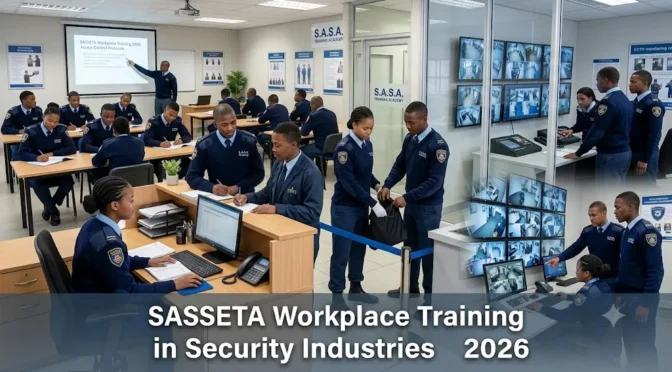
SASSETA Security Learnerships 2026: 12-Month Workplace Training with Monthly Stipends

SASSETA Workplace Training in Security Industries 2026

If you’re interested in building a career in South Africa’s safety and security sector, the Safety and Security Sector Education and Training Authority (SASSETA) offers workplace-based training opportunities through accredited learnerships, internships, apprenticeships, and work-integrated learning programmes.

These programmes combine classroom learning with practical workplace experience, helping learners gain industry-relevant skills while working toward nationally recognised qualifications.

Opportunity Overview

SASSETA supports skills development across the safety and security industry by partnering with accredited employers and training providers.

Workplace training opportunities may be available in areas such as:

  • Private security services
  • Cash-in-transit operations
  • Control room operations
  • Security supervision
  • Community safety
  • Law enforcement support
  • Correctional services
  • Justice and legal support

Most security learnerships run for approximately 12 months, although programme durations vary depending on the qualification and employer.

What is SASSETA Workplace Training?

A SASSETA workplace training programme combines:

  • Structured theoretical learning
  • Practical workplace experience
  • Mentorship from experienced professionals
  • Assessment against national occupational standards
  • A qualification registered on the National Qualifications Framework (NQF)

To host learners, employers must first obtain workplace accreditation demonstrating that they have suitable resources, supervision, and work experience opportunities.

Eligibility Requirements

Requirements vary depending on the employer and programme, but applicants generally need:

  • South African citizenship
  • Appropriate educational qualification (often Grade 12 for entry-level learnerships)
  • Interest in the safety and security sector
  • Availability to complete workplace training
  • Ability to meet employer-specific requirements

Some employers may also require registration with the relevant professional bodies where applicable.

Related Opportunity

SETA Office Administration Learnerships 2026: 12-Month Paid Opportunities for South African Youth

Stipend / Financial Support

Many employer-sponsored SASSETA learnerships provide a monthly stipend, but the amount is determined by the employer and funding agreement.

The stipend varies between programmes and is not fixed by SASSETA.

Required Documents Checklist

Applicants may be asked to submit:

  • Certified copy of South African ID
  • Certified copy of Grade 12 certificate or highest qualification
  • Updated Curriculum Vitae (CV)
  • Proof of residence (if requested)
  • Additional certificates relevant to the programme
  • Any other documents specified in the vacancy advertisement

How to Apply

Step 1

Look for SASSETA-accredited learnerships or workplace training opportunities offered by employers, government departments, municipalities, or accredited training providers.

Step 2

Prepare all required supporting documents.

Step 3

Complete the employer’s application process.

Step 4

Submit your application before the advertised closing date.

Step 5

If shortlisted, attend interviews, assessments, or screening processes required by the employer.

Step 6

Successful applicants will sign a learnership agreement before commencing workplace training.

Closing Dates

There is no single national closing date for SASSETA workplace training opportunities.

Applications open throughout the year depending on the employer or training provider. Candidates should monitor official advertisements regularly for new intakes.

Related Opportunity

You may also explore

Employment training programs

Job seeker support

Youthscope

  1. Internships
  2. Bursaries
  3. Learnerships
  4. SETAs
  5. General Worker Jobs
  6. Guides
  7. Apprenticeships
  8. Students News
  9. Scholarships
  10. Fellowship

Frequently Asked Questions

Does SASSETA employ learners directly?

No. SASSETA facilitates and supports workplace learning, while accredited employers and training providers recruit learners.

How long do security learnerships last?

Many programmes run for around 12 months, although the duration depends on the qualification.

Will I receive a recognised qualification?

Yes. Successful learners complete qualifications registered on the National Qualifications Framework (NQF).

Do all programmes pay a stipend?

Many employer-sponsored programmes include a monthly stipend, but amounts vary by employer.

Career Pathways After Completion

Completing a SASSETA workplace training programme can prepare learners for careers such as:

  • Security Officer
  • Control Room Operator
  • Security Supervisor
  • Risk Management Assistant
  • Community Safety Officer
  • Correctional Services Support Officer
  • Compliance Officer
  • Corporate Security Administrator

Further experience and qualifications can open pathways into supervisory and management positions across the safety and security sector.

Expert Guidance (E-E-A-T – Mbalizuke Nkosi)

SASSETA workplace training provides more than a qualification—it gives learners practical industry exposure that employers value. Applicants should ensure they meet the advertised requirements, submit complete documentation, and apply through accredited employers or training providers. Developing professionalism, communication skills, and reliability during the programme can significantly improve long-term employment prospects in the security industry.

Disclaimer

This article is for informational purposes only. Programme availability, eligibility requirements, stipends, and application procedures may vary by employer or accredited training provider. Always confirm the latest information through the official SASSETA website or the employer’s vacancy advertisement before applying.

SASSETA E-Recruitment

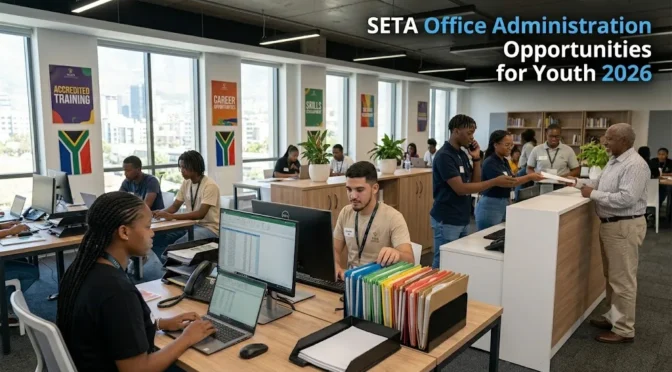
SETA Office Administration Learnerships 2026: 12-Month Paid Opportunities for South African Youth

SETA Office Administration Opportunities for Youth 2026

If you’re an unemployed young South African looking to start a career in office administration, SETA Office Administration opportunities could be your pathway to employment.

Funded through Sector Education and Training Authorities (SETAs), these programmes combine accredited classroom learning with practical workplace experience. Many opportunities include a monthly stipend and lead to nationally recognised qualifications in Business or Office Administration.

Opportunity Overview

Office Administration programmes are commonly offered through employer partnerships supported by the Services SETA and other sector SETAs.

Participants gain practical skills in:

  • Office administration
  • Filing and record management
  • Data capturing
  • Reception and customer service
  • Computer applications
  • Business communication
  • Office support and administration

Most learnerships run for 12 months and lead to an NQF Level 3 or Level 4 qualification, depending on the programme.

Related Opportunity

SETA Wholesale & Distribution Learnerships 2026: Earn Monthly stipend: R3,000 – R6,000+ for 12 Months

Eligibility Requirements

Although requirements vary by employer, applicants are generally expected to:

  • Be a South African citizen
  • Be between 18 and 35 years old
  • Be unemployed
  • Have Grade 12 (Matric)
  • Have basic computer literacy
  • Have good communication skills
  • Not be enrolled in another learnership

Some employers may also accept applicants with Grade 10 or Grade 11 depending on the programme.

Stipend Details

Successful learners often receive:

  • Monthly stipend (amount varies by employer)
  • Accredited workplace training
  • Practical office experience
  • Nationally recognised qualification

Actual stipend amounts differ depending on the employer and SETA funding allocation.

Required Documents Checklist

Prepare the following before applying:

  • Certified copy of South African ID
  • Certified copy of Matric certificate
  • Updated CV
  • Proof of residence (if requested)
  • Copies of additional qualifications (if applicable)
  • Certified copies of supporting certificates

How to Apply

Step 1

Search for available Office Administration learnerships offered through employers, accredited training providers, or SETA-funded programmes.

Step 2

Prepare all required supporting documents.

Step 3

Complete the employer’s online or manual application form.

Step 4

Submit your application before the advertised closing date.

Step 5

If shortlisted, attend interviews or assessments.

Step 6

Successful applicants will sign a learnership agreement before commencing training.

Closing Dates

Office Administration opportunities open throughout the year.

Application periods differ depending on the employer, with many programmes recruiting between March and August. Applicants should monitor official opportunity announcements regularly.

Related Opportunity

You may also explore

Employment training programs

Youthscope

  1. Internships
  2. Bursaries
  3. Learnerships
  4. SETAs
  5. General Worker Jobs
  6. Guides
  7. Apprenticeships
  8. Students News
  9. Scholarships
  10. Fellowship

Frequently Asked Questions

Do I need work experience?

No. Most programmes are designed for first-time job seekers.

How long is the programme?

Most Office Administration learnerships run for approximately 12 months.

Will I receive a qualification?

Yes. Successful learners receive a nationally recognised qualification aligned with the National Qualifications Framework.

Is there a monthly stipend?

Many programmes provide a monthly stipend, although the amount varies.

Can I apply without experience?

Yes. These programmes are specifically designed for unemployed youth entering the workplace.

Career Pathways After Completion

Completing an Office Administration learnership can lead to careers such as:

  • Administrative Clerk
  • Receptionist
  • Office Administrator
  • Data Capturer
  • Personal Assistant
  • Customer Service Consultant
  • Office Coordinator
  • Records Administrator

The skills gained are transferable across government departments, municipalities, private companies, banks, educational institutions, and non-profit organisations.

Expert Guidance (E-E-A-T – Mbalizuke Nkosi)

Office Administration remains one of South Africa’s most employable skills because nearly every organisation requires administrative professionals. Young people should focus on improving computer literacy, communication skills, and professionalism while preparing their applications. Keeping certified documents ready and applying early can significantly improve your chances of securing a learnership or internship.

Disclaimer

This article is intended for informational purposes only. Programme requirements, stipend amounts, eligibility criteria, and application deadlines may differ depending on the employer or SETA. Applicants should always confirm details through the official vacancy advertisement before applying.

Mpumalanga Tourism Youth Fund 2026 Applications Now Open – Funding Available for Young Tourism Entrepreneurs

Mpumalanga Tourism Youth Fund 2026 Applications Open

Young entrepreneurs in Mpumalanga now have an exciting opportunity to grow their tourism businesses through the Mpumalanga Tourism Youth Fund 2026.

The programme is designed to support youth-owned tourism enterprises operating across various segments of the tourism industry. The fund aims to strengthen sustainable businesses, create employment opportunities for young people, and contribute to economic growth within the province.

Whether your business operates in accommodation, hospitality, travel services, wellness tourism, cultural tourism, entertainment, or tourist attractions, this funding opportunity could help take your business to the next level.

About the Mpumalanga Tourism Youth Fund 2026

The Mpumalanga Tourism Youth Fund provides financial support to qualifying youth-owned tourism businesses based in Mpumalanga Province.

The initiative focuses on empowering young entrepreneurs who are actively contributing to the tourism sector and creating employment opportunities within their communities.

Supported sectors include:

  • Accommodation establishments
  • Hospitality businesses
  • Travel and tour services
  • Wellness and leisure tourism
  • Cultural tourism enterprises
  • Entertainment businesses
  • Tourism attractions and experiences

The fund aims to promote sustainable tourism development while helping youth-owned businesses expand their operations and improve their market competitiveness.

Eligibility Requirements

To qualify for the Mpumalanga Tourism Youth Fund 2026, applicants must meet the following requirements:

  • Submit management accounts
  • Submit business financial statements
  • The business must currently employ, or be willing to employ, at least 51% young people
  • The applicant must not be a previous beneficiary of the Tourism Fund
  • The applicant must not have received government funding exceeding R350,000

Related Opportunity

You may also explore

Required Documents Checklist

Applicants must prepare the following documents:

✔ Certified copy of South African ID

✔ Proof of residence

✔ Updated CV

✔ Qualifications and certificates

✔ 12 months business bank statements

✔ 6 months personal bank statements

✔ Formal business plan

✔ Proof of business registration

✔ Business bank confirmation letter

✔ Market proof or existing contracts (where applicable)

✔ Lease agreement or proof of property ownership

✔ Three supplier quotations

Funding Benefits

Successful applicants may receive support to:

  • Expand tourism operations
  • Improve infrastructure and equipment
  • Increase service offerings
  • Create employment opportunities
  • Strengthen business sustainability
  • Enhance competitiveness within the tourism sector

How to Apply

Follow these steps to submit your application:

Step 1

Visit the NYDA online portal.

Step 2

Register an account or log in to your existing profile.

Step 3

Navigate to the “Products and Services” section.

Step 4

Select “Mpumalanga Youth In Tourism”.

Step 5

Complete the application form and upload all required supporting documents.

Step 6

Review your information and submit your application before the deadline.

Application Portal

Apply online through:

https://erp.nyda.gov.za

Closing Date

Closing Date: 31 July 2026

Late applications may not be considered. Applicants are encouraged to submit their applications well before the deadline to avoid last-minute technical issues.

Frequently Asked Questions (FAQ)

Who can apply?

Youth entrepreneurs operating tourism-related businesses within Mpumalanga Province.

What types of businesses qualify?

Accommodation, hospitality, travel, wellness tourism, cultural tourism, entertainment, and tourism attractions.

Can previous Tourism Fund beneficiaries apply?

No. Previous beneficiaries are not eligible.

Is a business plan required?

Yes. A formal business plan must be submitted.

What is the youth employment requirement?

The business must employ or commit to employing at least 51% young people.

Can businesses that received large government grants apply?

Applicants who have received government funding exceeding R350,000 are not eligible.

Related Opportunity

You may also explore

Youthscope

  1. Internships
  2. Bursaries
  3. Learnerships
  4. SETAs
  5. General Worker Jobs
  6. Guides
  7. Apprenticeships
  8. Students News
  9. Scholarships
  10. Fellowship

Career and Business Growth Opportunities

Participation in the Mpumalanga Tourism Youth Fund can help entrepreneurs:

  • Expand tourism operations
  • Access new markets
  • Create sustainable employment
  • Strengthen business management systems
  • Increase profitability
  • Build long-term tourism enterprises

As South Africa’s tourism sector continues to recover and grow, youth-owned businesses are positioned to play a vital role in driving innovation and economic development.

Expert Guidance (E-E-A-T – Mbalizuke Nkosi)

Many tourism businesses struggle not because of a lack of demand, but because they lack access to growth capital. Before applying, ensure that your business plan clearly demonstrates how the funding will be used, how jobs will be created, and how the business will remain sustainable after receiving support.

Applicants should pay close attention to financial documentation requirements and ensure that bank statements, quotations, and supporting evidence are complete and up to date. Well-prepared applications typically have a much stronger chance of success.

Disclaimer

This article is provided for informational purposes only. Funding criteria, eligibility requirements, and application procedures may change without notice. Applicants should verify all details through official programme communication channels before submitting an application. We are not affiliated with the funding administrators and cannot guarantee application outcomes.

For the application portal, use: NYDA ERP Portal

NYDA Emerging Voices Essay Writing Competition 2026 Now Open – Submit Your Entry Before 26 June

NYDA Emerging Voices Essay Writing Competition 2026

The National Youth Development Agency (NYDA) has officially opened applications for the Emerging Voices Essay Writing Competition 2026, giving young South Africans an opportunity to showcase their writing skills and share their perspectives on language, identity, memory, resistance, and the future of South Africa.

The competition forms part of the country’s commemoration of 50 years since the Soweto Uprising and encourages young people to reflect on the role of language and youth voices in shaping the nation.

Whether you are a high school learner or a young professional, this competition offers a platform to express your ideas while gaining national recognition for your writing.

Opportunity Overview

The Emerging Voices Essay Writing Competition is organized by the National Youth Development Agency (NYDA) in collaboration with leading academic institutions.

Participants are invited to submit original essays that explore themes related to South Africa’s past, present, and future.

The competition aims to promote multilingualism, critical thinking, creativity, and youth participation in important national conversations.

Eligibility Requirements

Applicants must fall within one of the following categories:

Category A

  • High school learners in Grades 8–12

Category B

  • Young creatives and youth professionals
  • Aged between 18 and 35 years

Essay Requirements

Participants must ensure that:

  • Essays are original and unpublished
  • Essays do not exceed 700 words
  • Only one entry is submitted per participant
  • Essays are submitted in PDF or Word format
  • Essays may be written in any South African official spoken language
  • AI-generated essays are not permitted and may be disqualified

Prize and Recognition

Selected entries will receive recognition through the competition’s judging process and contribute to national conversations around youth voices, language, and identity.

Applicants are encouraged to focus on originality, creativity, and thoughtful reflection.

Required Documents Checklist

Before submitting your application, prepare:

  • Completed essay
  • Word or PDF document
  • Personal contact details
  • Category information (Learner or Youth Professional)

How to Apply

Step 1

Write an original essay of no more than 700 words.

Step 2

Save your essay in PDF or Microsoft Word format.

Step 3

Ensure your essay follows all competition guidelines.

Step 4

Submit your essay via email to:

AppliedLanguages@tut.ac.za

Step 5

Submit before the closing date.

Closing Date

Closing Date: 26 June 2026

Applicants are encouraged to submit their entries as early as possible to avoid missing the deadline.

Frequently Asked Questions

Who can apply?

High school learners in Grades 8–12 and young South Africans aged 18–35.

Can I submit more than one essay?

No. Only one entry per participant is allowed.

What is the maximum essay length?

Essays may not exceed 700 words.

Can I use AI tools to write my essay?

No. AI-generated essays may be disqualified.

What format should I use?

Submissions must be in PDF or Word format.

Where do I submit my essay?

Send your essay to AppliedLanguages@tut.ac.za.

Career Benefits of Participating

Taking part in essay competitions can help young people:

  • Improve writing and communication skills
  • Strengthen university and scholarship applications
  • Build a portfolio of published or recognized work
  • Develop research and critical-thinking abilities
  • Gain exposure to academic and professional opportunities

Related Opportunity

You may also explore

Youthscope

  1. Internships
  2. Bursaries
  3. Learnerships
  4. SETAs
  5. General Worker Jobs
  6. Guides
  7. Apprenticeships
  8. Students News
  9. Scholarships
  10. Fellowship

Expert Guidance (E-E-A-T – Mbalizuke Nkosi)

Essay competitions provide an excellent opportunity for young people to develop valuable communication skills while showcasing their ideas. Applicants should focus on originality, clear structure, and authentic personal perspectives rather than trying to impress judges with complex language.

Before submitting, carefully proofread your work, check word limits, and ensure your essay directly addresses the competition theme. Strong entries often combine personal insight with thoughtful reflection on broader social issues affecting South African youth.

Disclaimer

This article is published for informational purposes only. Competition requirements, eligibility criteria, and deadlines may change at the discretion of the organizers. Applicants should verify all information through official NYDA communication channels before submitting their entries.

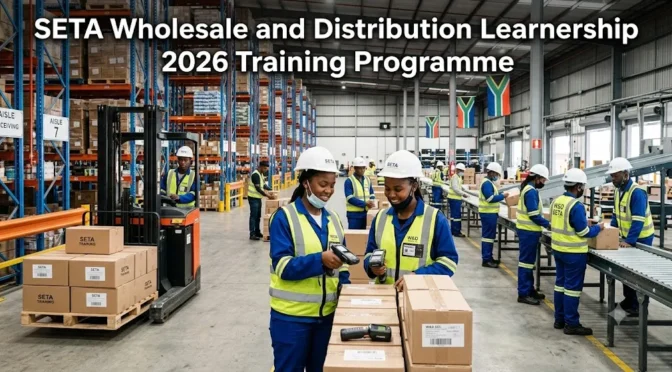
SETA Wholesale & Distribution Learnerships 2026: Earn Monthly stipend: R3,000 – R6,000+ for 12 Months

SETA careers in Wholesale and Distribution 2026 are funded through the Wholesale & Retail Sector Education and Training Authority (W&RSETA). These programmes are designed to help unemployed South African youth gain real workplace experience + accredited qualifications in the retail supply chain and distribution industry.

This sector includes:

  • Warehousing and stock control
  • Logistics and supply chain operations
  • Wholesale trade companies
  • Retail distribution centres
  • Customer service and merchandising

The programme is usually offered as a 12-month learnership contract combining classroom learning and workplace training.

These learnerships are aligned with the National Qualifications Framework (NQF), meaning your qualification is recognised across South Africa.

What is a SETA Wholesale & Distribution Learnership?

A SETA wholesale and distribution learnership is a structured programme that:

✔ Combines theory + workplace training
✔ Leads to an NQF-accredited qualification
✔ Prepares you for entry-level jobs in logistics & retail supply chains
✔ Is funded by W&RSETA through employer partnerships

You do NOT apply directly to SETA — you apply through companies like:

  • Retail chains
  • Wholesale distributors
  • Logistics companies
  • Distribution centres

Eligibility Requirements

To qualify for most 2026 wholesale and distribution SETA learnerships, you typically need:

  • South African citizenship
  • Grade 10–12 (Matric preferred)
  • Unemployed youth (18–35 years)
  • Basic literacy and numeracy
  • Good health condition
  • No prior completion of same learnership

Some employers may also require:

  • Communication skills
  • Computer literacy
  • Willingness to work shifts

Stipend / Salary Details

Most SETA wholesale and distribution learnerships offer:

  • Monthly stipend: R3,000 – R6,000+
  • Transport allowance (in some cases)
  • Basic workplace support (varies by employer)

Example: Hardware and retail distribution learnerships in Limpopo offer around R3,500 monthly stipend for 12 months.

Important: Stipends differ depending on employer and province.

Required Documents Checklist

Prepare the following:

  • Certified copy of South African ID
  • Certified copy of Matric or Grade 10–12 certificate
  • Updated CV
  • Proof of residence
  • Banking details (if shortlisted)
  • Affidavit (if required for unemployment proof)

Step-by-Step Application Process

Step 1: Find an employer

Look for companies in wholesale, logistics, or retail distribution offering SETA learnerships.

Step 2: Prepare documents

Ensure all documents are certified (not older than 3 months).

Step 3: Apply online or manually

Submit your application through:

  • Company careers page
  • Recruitment portals
  • Walk-in applications (rare cases)

Step 4: Shortlisting process

If selected, you may be invited for:

  • Interview
  • Basic skills test

Step 5: Sign learnership contract

Successful candidates sign a 12-month SETA learnership agreement

Step 6: Start training

You begin a combination of:

  • Classroom learning
  • Workplace training in logistics/distribution

Closing Date

Closing dates vary per company.

Typical intake periods:

  • March – May (mid-year intake)
  • September – November (year-end intake)

Example: Some 2026 retail SETA programmes close around May 16, 2026.

Related Opportunity

You may also explore

Youthscope

  1. Internships
  2. Bursaries
  3. Learnerships
  4. SETAs
  5. General Worker Jobs
  6. Guides
  7. Apprenticeships
  8. Students News
  9. Scholarships
  10. Fellowship

Frequently Asked Questions (FAQ)

Do I need experience?

No. These programmes are designed for beginners.

Do I get a certificate?

Yes, you receive an NQF-accredited qualification.

Can I apply without Matric?

Yes, some programmes accept Grade 10–11.

Is it guaranteed job placement?

No, but it improves your chances of employment significantly.

Do I apply through SETA directly?

No, you apply through employers.

Career Pathways After Completion

After completing a wholesale and distribution learnership, you can work as:

  • Warehouse assistant
  • Stock controller
  • Logistics clerk
  • Distribution assistant
  • Retail operations assistant
  • Supply chain junior staff

With experience, you can progress to:

  • Warehouse supervisor
  • Logistics coordinator
  • Supply chain manager

Related Opportunity

TETA Programmes 2026: Learnerships, Internships, Qualifications and Career Opportunities Explained

Expert Guidance (E-E-A-T)

By Mbalizuke Nkosi – Education & Skills Development Analyst (South Africa)

Wholesale and distribution learnerships remain one of the strongest entry points for unemployed youth because they combine practical workplace exposure with nationally recognised qualifications. However, success depends on consistency — many learners fail to complete programmes due to absenteeism or lack of discipline.

Applicants should focus on:

  • Applying early in recruitment cycles
  • Keeping documents ready at all times
  • Targeting multiple employers, not just one
  • Treating the learnership like a full-time job from day one

These programmes are not just “training opportunities” — they are structured pipelines into South Africa’s logistics and retail economy.

⚠️ Disclaimer

This article is for informational purposes only. SETA learnership availability, stipends, and requirements vary by employer and province. Always confirm details through official company websites or accredited training providers before applying. We are not affiliated with W&RSETA or any employer mentioned.

Apply for Boxer General Worker Jobs 2026: Simple CV Upload Guide & Requirements

Boxer Superstores is one of South Africa’s fastest-growing retail chains, regularly hiring General Workers, Cashiers, Shelf Packers, and Warehouse Staff across the country. These entry-level roles are ideal for job seekers with Grade 10–12 qualifications who want stable employment and career growth in retail and logistics.

According to verified hiring guides, Boxer recruits through its official careers portal (boxer.erecruit.co) and selected job platforms, not social media adverts or WhatsApp messages.

General Worker roles support store and warehouse operations, including stock handling, packing, cleaning, and assisting customers or logistics teams.

Eligibility Requirements

To apply for Boxer General Worker Jobs 2026, you typically need:

  • South African ID
  • Grade 10–12 (Grade 12 preferred)
  • Basic communication skills
  • Ability to work shifts, weekends, and public holidays
  • Physical fitness for manual tasks
  • Teamwork and reliability

Advantage (not always required):

  • Retail or warehouse experience
  • Forklift licence (for warehouse roles)
  • Basic computer literacy

Stipend / Salary Details

While exact salaries vary by location and role:

  • Entry-level General Workers: Market-related monthly salary
  • Retail roles (cashiers/packers): Entry-level wages + benefits
  • Warehouse workers: Higher pay depending on shift work and experience

✔ Additional benefits may include:

  • UIF contributions
  • Paid leave
  • Staff discounts
  • Training & career development

Required Documents Checklist

Prepare the following before applying:

  • Updated CV (clear and professional)
  • Certified copy of ID
  • Certified copy of qualifications (Grade 10–12 certificate)
  • Proof of residence (sometimes required)
  • Driver’s licence (if applicable)
  • Contactable references

Step-by-Step Application Process (CV Upload Guide)

Step 1: Visit Official Boxer Careers Portal

Go to the official recruitment system:
boxer.erecruit.co

Step 2: Search for “General Worker” Jobs

Filter by:

  • Job type: General Worker / Retail / Warehouse
  • Location: Your nearest province or store

Step 3: Create Your Profile

  • Register with your email address
  • Fill in personal details
  • Upload your CV

Step 4: Upload Your CV Correctly

Make sure your CV:

  • Is in PDF format
  • Has clear contact details
  • Includes your education and skills
  • Is not password-protected

Step 5: Submit Application

  • Double-check all information
  • Click “Apply”
  • Wait for confirmation email

Important Warning

Boxer does NOT recruit via Facebook or WhatsApp messages. Always use official channels only to avoid scams.

Closing Date

Closing dates vary by vacancy.

Most Boxer General Worker jobs:

  • Stay open until positions are filled
  • Some listings close within 2–4 weeks

✔ Always apply early to increase your chances.

Related Opportunity

You may also explore

Youthscope

  1. Internships
  2. Bursaries
  3. Learnerships
  4. SETAs
  5. General Worker Jobs
  6. Guides
  7. Apprenticeships
  8. Students News
  9. Scholarships
  10. Fellowship

FAQ Section

1. Do I need experience to apply?

No, most General Worker roles are entry-level.

2. Can I apply without Grade 12?

Yes, Grade 10 or 11 may be accepted for some roles.

3. Where do I upload my CV?

Only on the official Boxer careers portal: boxer.erecruit.co

4. Does Boxer charge application fees?

No. Applications are 100% free.

5. How will I know if I’m selected?

You will be contacted via phone or email for interviews.

Career Pathways After Hiring

Starting as a General Worker can lead to:

  • General Worker → Supervisor
  • Shelf Packer → Store Manager
  • Warehouse Assistant → Logistics Coordinator
  • Cashier → Customer Service Manager

Boxer promotes internal growth, making it a strong entry point into retail careers.

Related Opportunity

SPAR General Worker Jobs 2026: How to Upload Your CV Online & Get Hired Fast

Expert Guidance (E-E-A-T) – Mbalizuke Nkosi

As a career development advisor, I strongly recommend that applicants treat entry-level retail roles as long-term career stepping stones rather than temporary jobs. At Boxer, consistency, discipline, and reliability often matter more than experience.

To improve your chances:

  • Keep your CV simple and error-free
  • Apply early before vacancies close
  • Show willingness to work shifts
  • Avoid fake job adverts requesting payment

Most importantly, always apply through verified platforms to protect your personal information.

⚠️ Disclaimer

This article is for informational purposes only. Applicants should always verify job opportunities directly through official Boxer recruitment channels. We are not affiliated with Boxer Superstores.

SPAR General Worker Jobs 2026: How to Upload Your CV Online & Get Hired Fast

SPAR is one of South Africa’s biggest retail supermarket chains, with thousands of stores across the country. In 2026, SPAR continues to offer general worker jobs, including roles such as shelf packers, cleaners, store assistants, and warehouse staff.

These entry-level jobs are ideal for unemployed youth and job seekers with or without experience. Most positions are available in independent SPAR, SUPERSPAR, and KWIKSPAR stores nationwide.

According to recent hiring guides, SPAR allows candidates to apply either online or by submitting CVs directly in-store, depending on the branch.

Job Roles Available (General Workers)

Common SPAR general worker positions include:

  • Shelf Packer / Merchandiser
  • Cleaner / Store Assistant
  • Trolley Attendant
  • Warehouse General Worker
  • Stock Assistant
  • Bakery/Deli Assistant (entry-level)

Eligibility Requirements

To apply for SPAR general worker jobs 2026, you typically need:

  • South African ID
  • Grade 10–12 (Matric is an advantage)
  • Good communication skills
  • Willingness to work shifts, weekends, and holidays
  • No experience required for entry-level roles
  • Positive attitude and reliability

Stipend / Salary Details

SPAR general worker salaries vary by store and location:

  • General Workers: R3,000 – R5,500 per month
  • Cleaners / Packers: R3,000 – R4,800 per month
  • Entry-level assistants: R3,500 – R6,500 per month

Note: SPAR stores are independently owned, so pay may differ by region.

Required Documents Checklist

Before applying, prepare:

  • Updated CV (PDF recommended)
  • Certified copy of South African ID
  • Matric certificate (if available)
  • Proof of residence
  • Any short courses or certificates (optional)
  • Contactable references (optional)

Step-by-Step: How to Upload Your CV Online at SPAR

Step 1: Visit the SPAR Careers Portal

Go to the official SPAR recruitment platform (used by most stores).

Step 2: Register Your Profile

  • Create an account using your email
  • Fill in personal details
  • Add your location and job preferences

Step 3: Upload Your CV

  • Click “Upload CV”
  • Use a clear PDF file name (e.g. YourName_SPAR_CV_2026.pdf)
  • Ensure all details are readable

Step 4: Add Work Keywords

Include terms like:

  • SPAR general worker
  • retail assistant
  • cleaner
  • packer
  • warehouse assistant

This helps recruiters find your profile faster.

Step 5: Submit Your Application

  • Double-check all information
  • Submit and wait for feedback via email or phone

Alternative: Walk-In Application Method

Many SPAR stores still hire directly:

  • Visit your nearest SPAR or SUPERSPAR
  • Ask for the store manager
  • Submit printed CV + ID copy
  • Dress neatly and be polite

This method is often faster for entry-level jobs.

Closing Date

SPAR general worker vacancies do not always have a fixed closing date.
Applications remain open until positions are filled, so early application is recommended.

Related Opportunity

You may also explore

Youthscope

  1. Internships
  2. Bursaries
  3. Learnerships
  4. SETAs
  5. General Worker Jobs
  6. Guides
  7. Apprenticeships
  8. Students News
  9. Scholarships
  10. Fellowship

Frequently Asked Questions (FAQ)

1. Do I need Matric to work at SPAR?

Not always. Many general worker roles accept Grade 10–11.

2. Can I apply without experience?

Yes, most entry-level jobs require no experience.

3. How long does SPAR take to respond?

It can take 1–4 weeks depending on the store.

4. Is SPAR hiring in 2026?

Yes, SPAR continuously hires general workers across South Africa.

5. Is online application better than walk-in?

Both work, but walk-in is often faster for store-level jobs.

Related Opportunity

Shoprite Hiring General Workers: Step-by-Step Guide to Upload Your CV Online

Career Pathways After Joining SPAR

Starting as a general worker can lead to:

  • Supervisor roles
  • Cashier positions
  • Store assistant manager
  • Warehouse controller
  • Retail management careers

SPAR often promotes employees internally based on performance.

Expert Guidance (E-E-A-T – Mbalizuke Nkosi)

According to career development expert Mbalizuke Nkosi, entry-level retail jobs like SPAR general worker positions are important stepping stones for unemployed youth in South Africa. He advises applicants to:

  • Keep CVs simple and updated
  • Apply to multiple stores, not just one
  • Always follow up after 7–10 days
  • Avoid paying anyone for job placement (SPAR recruitment is free)

He further emphasizes that consistency and professionalism often matter more than experience when entering retail work.

⚠️ Disclaimer

This article is for informational purposes only. SPAR is an independent retailer, and job availability, salaries, and requirements may vary by store and region. Always apply through official SPAR channels or directly at stores. Never pay any fee for job applications.

Internships, Learnerships, Youth Opportunities, News & Careers